

Choosing the right wide temperature lithium battery for your application can be a daunting task, but don't worry! As a supplier of Wide Temperature Lithium Battery, I'm here to walk you through the process. Whether you're powering a remote monitoring device in a frigid environment or an electric vehicle in scorching heat, getting the right battery is crucial.
Understanding Your Application Requirements
First things first, you need to understand your application inside out. What's the power demand? Is it a continuous load or does it have spikes of high power? For instance, if you're using the battery for a solar - powered drone, the battery needs to supply a relatively stable power for the flight, but also handle short bursts of high power during take - off and maneuvers.
Another crucial factor is the operating temperature range. Different applications have different temperature needs. Some industrial sensors might need to operate in extremely cold or hot environments. That's where Extreme Temperature Lithium Battery comes in handy. If you're in the Arctic for a research project, your battery should be able to function well in sub - zero temperatures. On the other hand, if it's for a desert - based communication system, it has to withstand high heat.
Battery Chemistry and Performance
There are several types of lithium battery chemistries, and each has its own characteristics. Lithium - ion (Li - ion) batteries are very common. They offer a good balance of energy density, power density, and cycle life. But their performance can be affected by temperature. In cold temperatures, the chemical reactions inside the battery slow down, reducing its capacity and power output.
Lithium - iron - phosphate (LiFePO4) batteries, on the other hand, are known for their better thermal stability. They can operate in a wider temperature range compared to some other Li - ion chemistries. They're also safer, with a lower risk of thermal runaway. If your application requires high safety and a wide temperature range, LiFePO4 might be a great choice.
Capacity and Voltage Requirements
Capacity is measured in ampere - hours (Ah) and it tells you how much charge the battery can store. You need to calculate the total energy your application will consume over a certain period. If you're powering a small IoT device that only consumes a few milliamps, a battery with a relatively low capacity might suffice. But for larger applications like an electric forklift, you'll need a high - capacity battery.
Voltage is also important. Your application needs a specific voltage to operate correctly. Batteries can be connected in series or parallel to achieve the desired voltage and capacity. For example, if your device requires 24V and you have 12V batteries, you can connect two of them in series.
Battery Size and Weight
In some applications, size and weight are critical factors. If you're building a portable medical device, you want a battery that is small and lightweight. On the contrary, for a stationary energy storage system, size and weight might be less of a concern.
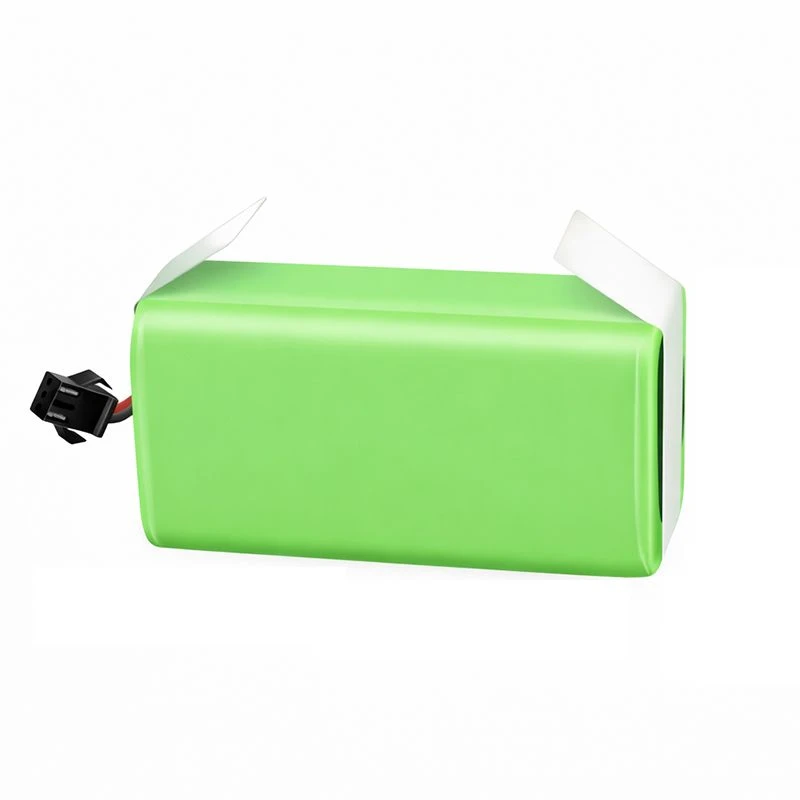
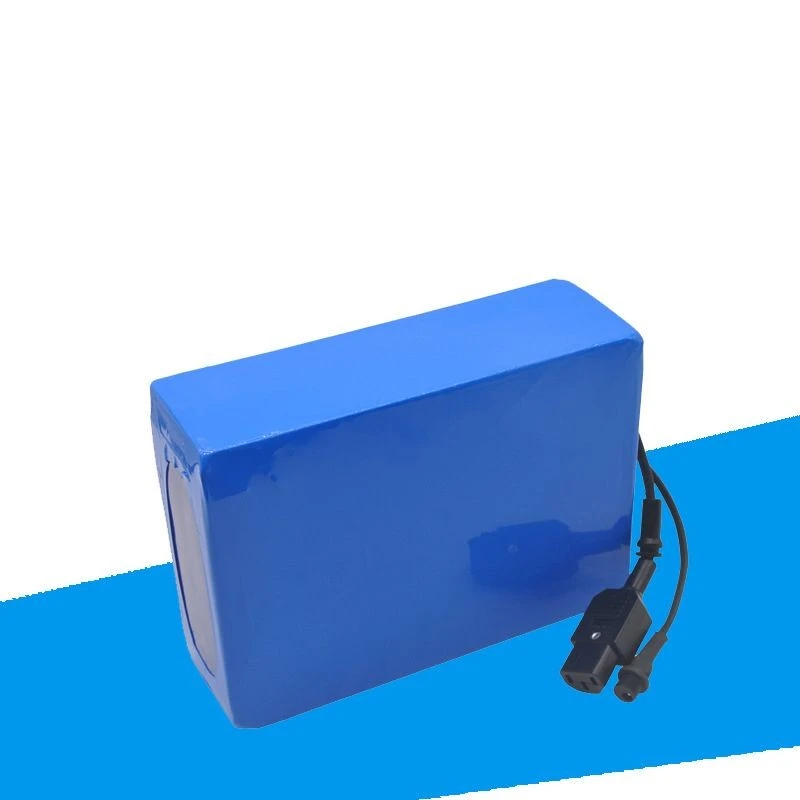
Our Extreme Temperature Battery Pack comes in various sizes and configurations to meet different needs. We can customize the battery pack to fit your specific size and weight requirements.
Cycle Life and Shelf Life
Cycle life refers to the number of charge - discharge cycles a battery can go through before its capacity drops to a certain level. If your application involves frequent charging and discharging, you need a battery with a long cycle life. For example, electric vehicles require batteries that can withstand thousands of cycles.
Shelf life is how long a battery can be stored without significant loss of capacity. If you're stocking up on batteries for future use, a long shelf life is important. Some lithium batteries can have a shelf life of several years if stored properly.
Safety Features
Safety should never be overlooked. Lithium batteries can be dangerous if not designed and used correctly. Look for batteries with built - in safety features such as over - charge protection, over - discharge protection, and short - circuit protection. These features can prevent accidents and extend the battery's life.
Cost Considerations
Cost is always a factor in any purchasing decision. While it's tempting to go for the cheapest option, you need to consider the long - term cost. A more expensive battery with a longer cycle life and better performance might be more cost - effective in the long run.
In addition, you should also factor in the cost of maintenance and replacement. If a battery requires frequent replacement, it can add up to a significant cost over time.
How We Can Help
As a supplier of wide temperature lithium batteries, we have the expertise and experience to help you choose the right battery for your application. We offer a wide range of products, including Wide Temperature Lithium Battery, Extreme Temperature Lithium Battery, and Extreme Temperature Battery Pack.
We can work with you to understand your specific requirements and recommend the most suitable battery solution. Our team is always ready to answer your questions and provide technical support.
If you're interested in learning more or starting a procurement discussion, don't hesitate to reach out. We're committed to providing you with high - quality batteries and excellent customer service.
References
- Linden, D., & Reddy, T. B. (2002). Handbook of Batteries. McGraw - Hill.
- Tarascon, J. M., & Armand, M. (2001). Issues and challenges facing rechargeable lithium batteries. Nature, 414(6861), 359 - 367.