




Battery Selection for Energy Storage Projects

For battery energy storage companies, choosing a battery involves more than comparing price per kilowatt-hour. The product must fit the planned installation, meet the system's electrical requirements, and work with the communication and control equipment selected for the project.
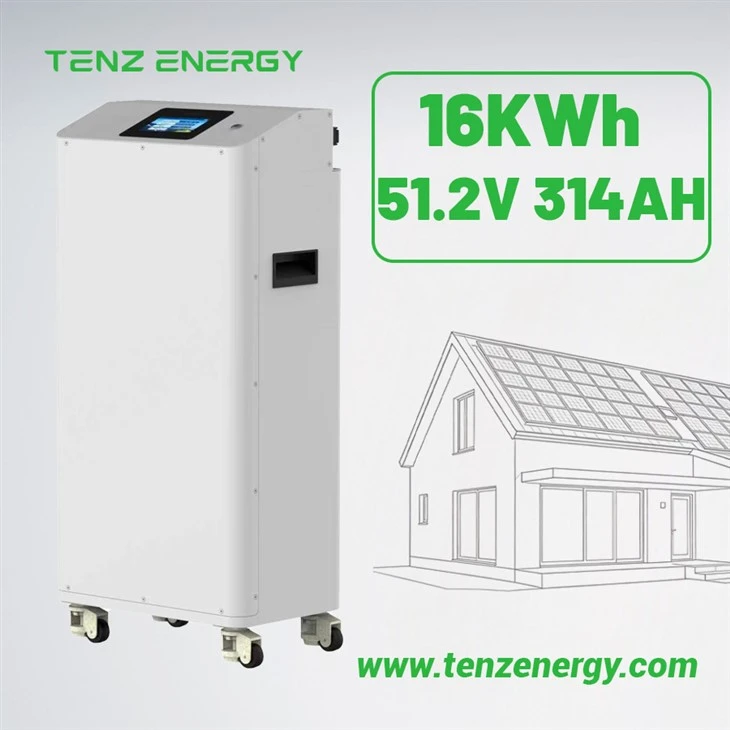
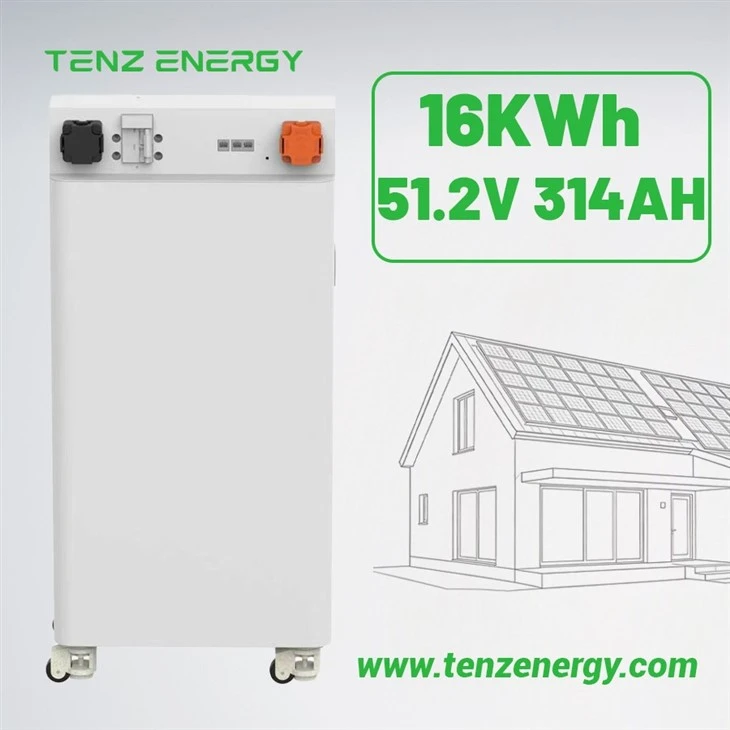
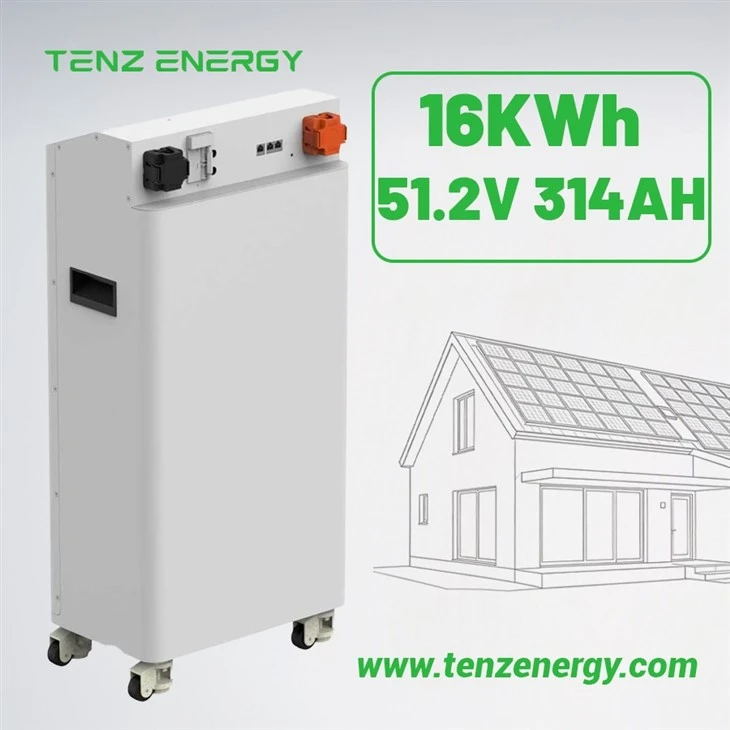
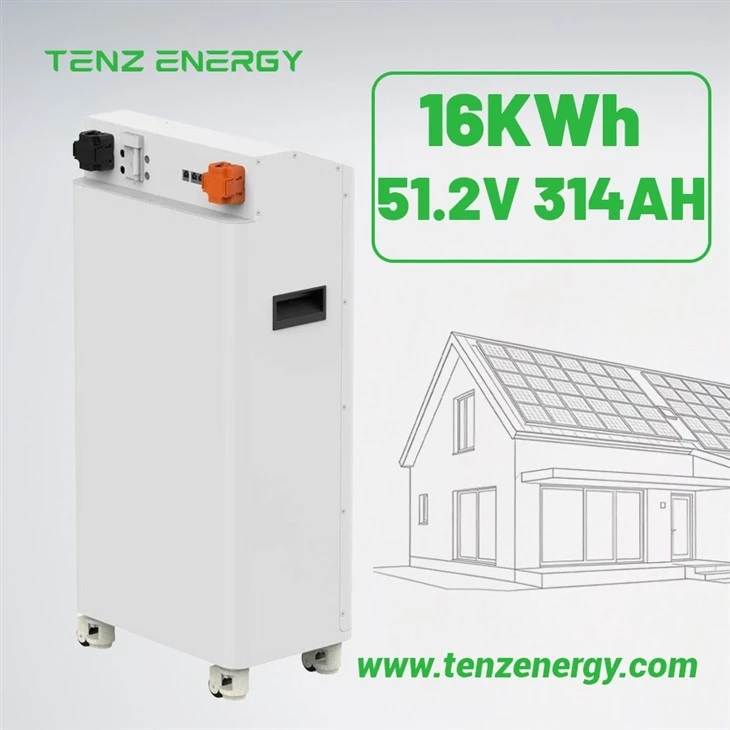
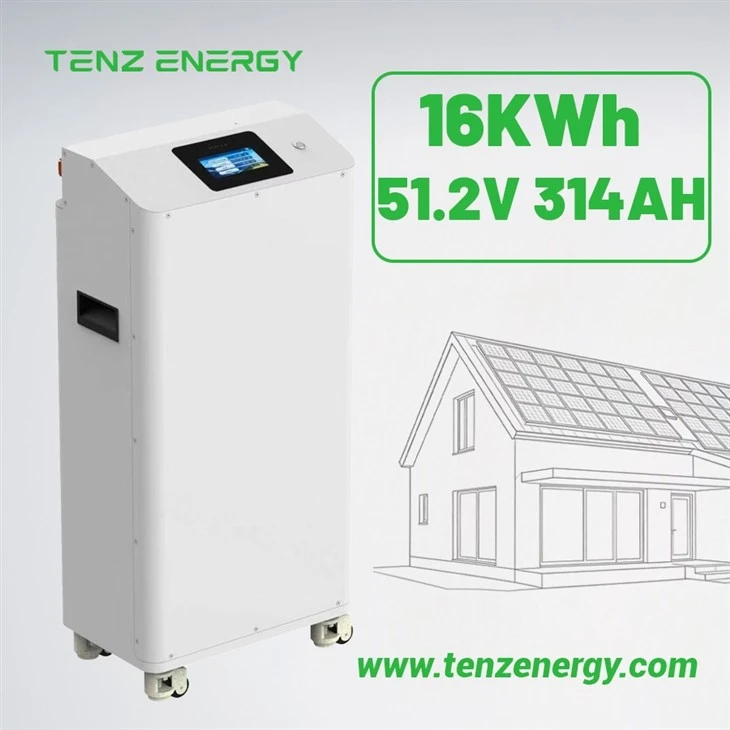
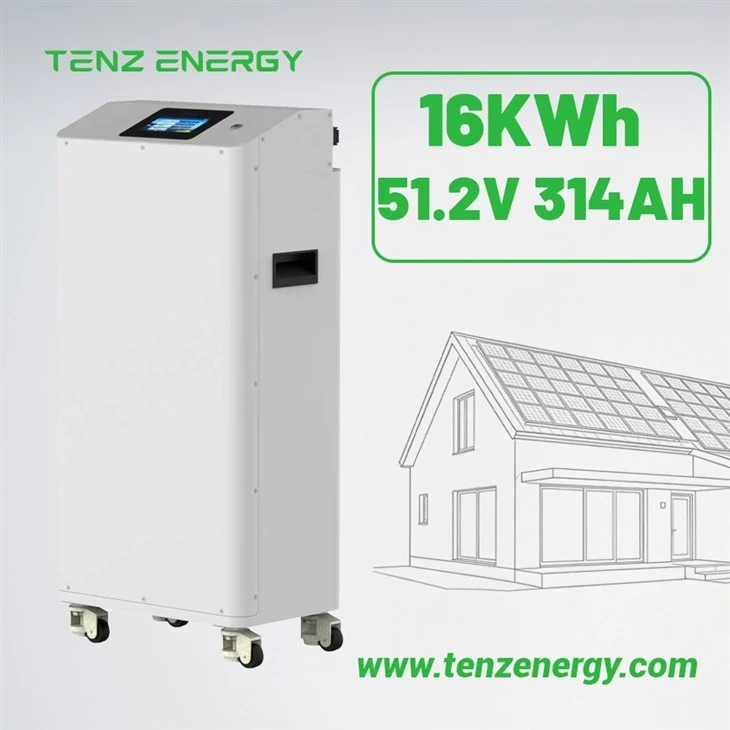
The Tenz Energy ECO-314L-(ST) is a lithium-ion battery with a nominal voltage of 51.2V, a rated capacity of 314Ah, and 16.0768kWh of nominal energy per unit. It supports CAN and RS485 communication and can be connected in parallel, with a maximum of 16 units under the product specification.
These characteristics give project developers a defined battery unit to assess when preparing system layouts, checking equipment requirements, and calculating the nominal capacity of a proposed installation.

Installation Formats for Project Integration
Battery-bank installation
For projects using multiple battery units, the ECO-314L-(ST) can be arranged as a parallel-connected battery bank.
The layout should allow for power cabling, communication connections, electrical protection, and access for inspection.
The specification permits up to 16 units in parallel; the final arrangement must also comply with the inverter and system design requirements.
Expandable battery bank
Where a project may need additional storage in the future, the ECO-314L-(ST) supports up to 16 units connected in parallel. The nominal energy of the battery bank can therefore be planned around the project's initial requirements and potential expansion needs.
Any later expansion must be checked against the inverter's capability, cable sizing, protective devices, communication arrangement,
and the condition of the existing system. The specification prohibits series connection and mixing this battery with other brands or models.
Floor-supported equipment layout
Each unit measures 890.5 × 420 × 267mm and weighs 120kg ± 3kg. Project teams should account for these dimensions when allocating equipment space, planning delivery and handling, and checking the supporting surface.
The specification does not identify this model as wall-mounted or approve stacking. Installation drawings should reflect the documented product configuration rather than assume that mounting methods used for other batteries are suitable.
Protected indoor installation
The battery has an IP20 rating and is not specified as weatherproof.
The installation location must provide suitable environmental protection and meet the product's operating temperature requirements.
Charging is specified for 0–40°C and discharging for −20–40°C, with 10–30°C recommended for optimal operation.
Technical Data for Procurement and System Design
| Parameter | Specification |
|---|---|
| Model | ECO-314L-(ST) |
| Battery type | Lithium-ion |
| Configuration | 1P16S |
| Nominal voltage | 51.2V |
| Nominal capacity | 314Ah |
| Nominal energy | 16.0768kWh |
| Operating voltage range | 43.2–58.4V |
| Standard charge/discharge current | 100A at 25 ± 2°C |
| Maximum charge/discharge current | 200A at 25 ± 2°C |
| Communication interfaces | CAN and RS485 |
| Maximum parallel units | 16 |
| Dimensions | 890.5 × 420 × 267mm |
| Weight | 120kg ± 3kg |
| IP rating | IP20 |
| Operating altitude | 0–3,000m |
| Cycle life | 8,000 cycles under specified test conditions |
The specified cycle life is based on testing at 25°C, 100A charge/discharge current, and 70% depth of discharge (DOD).
It should be assessed as a test-condition result, not a guaranteed calendar service life.
Electrical Compatibility and System Boundaries
Before approving a battery for a project, system integrators should verify the inverter's supported voltage range, charging and discharging limits, communication protocol, and cable connections.
The ECO-314L-(ST) provides CAN and RS485 interfaces, but the available specification does not identify specific compatible inverter models. Compatibility must therefore be confirmed for the equipment proposed for each project.
The battery management system includes cell-voltage monitoring, temperature sensing, cell balancing, current limiting, and protection functions. These features are part of battery-level management; they do not replace the electrical protection and control equipment required by the complete energy storage system.
The specification also prohibits series connection and mixing this model with batteries from other brands or models. These restrictions should be reflected in the system design before procurement.
Information to Confirm Before Ordering
Battery energy storage companies evaluating the ECO-314L-(ST) should confirm the planned number of units, required nominal capacity, installation arrangement, inverter model, and communication requirements. These details help establish whether the battery is suitable for the intended configuration before quantities and installation drawings are finalized.
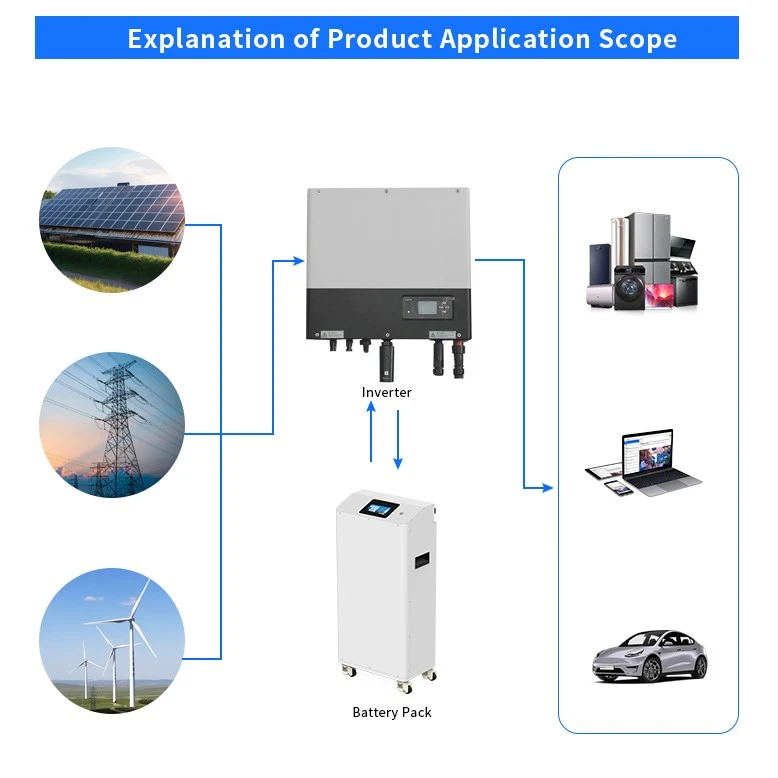
The ECO-314L-(ST) is a battery component, not a complete battery energy storage system. PCS, EMS, enclosure, fire protection, and other system-level equipment should be specified separately according to the project scope; their inclusion is not established by the battery specifications provided.
For project-specific evaluation, contact Tenz Energy to request the product documentation and technical details required for system integration.
TENZ ENERGY
Hot Tags: battery energy storage companies, China battery energy storage companies manufacturers, suppliers, factory