


Battery Configuration for Long-Term Energy Storage Projects

Long-term energy storage planning requires more than selecting a battery with a high capacity rating. The installation must accommodate expected energy demand, routine operating conditions, maintenance access, and possible changes in storage requirements over time.
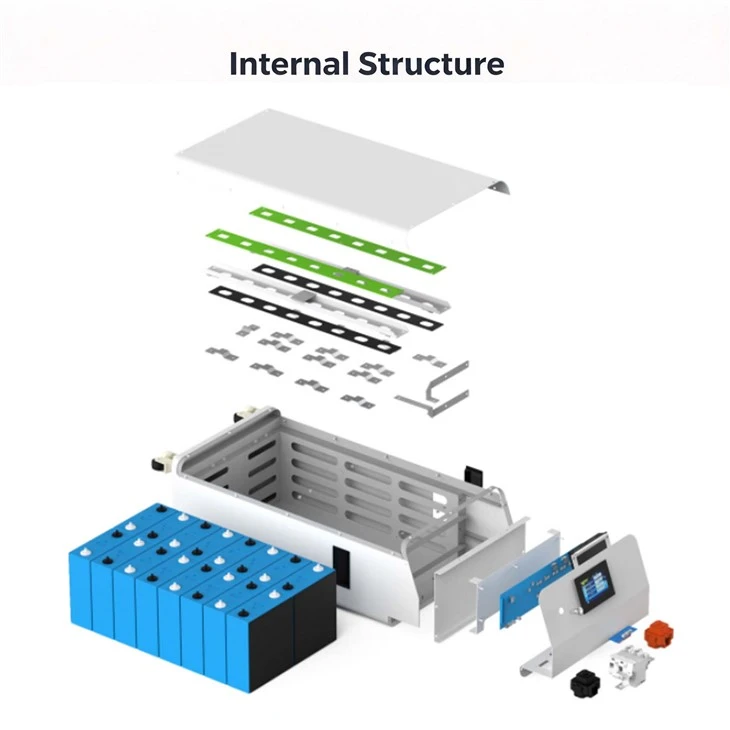
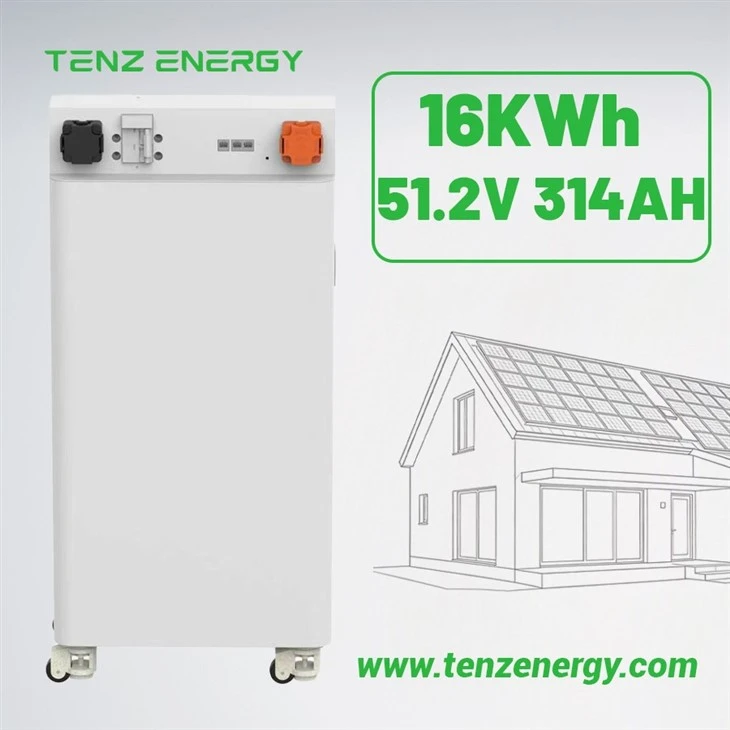
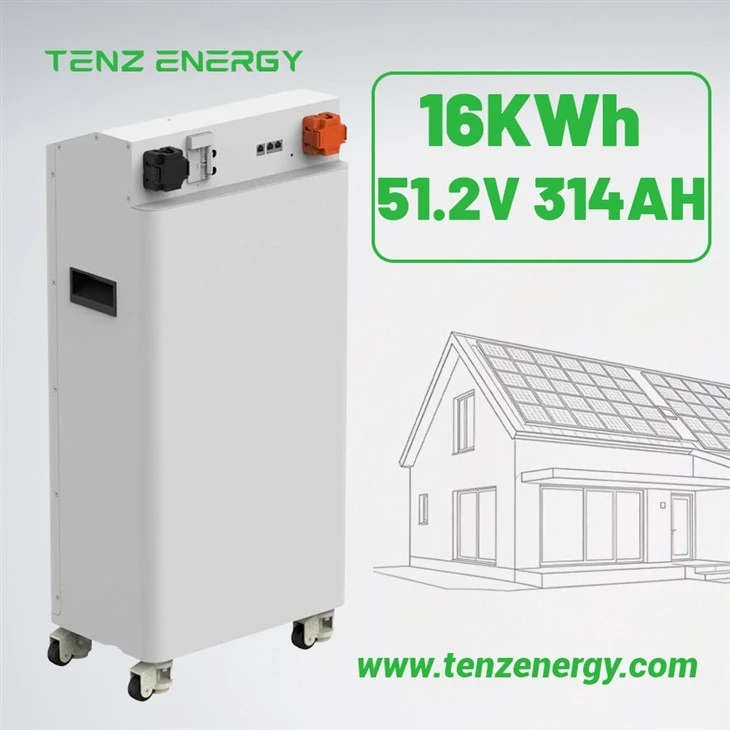
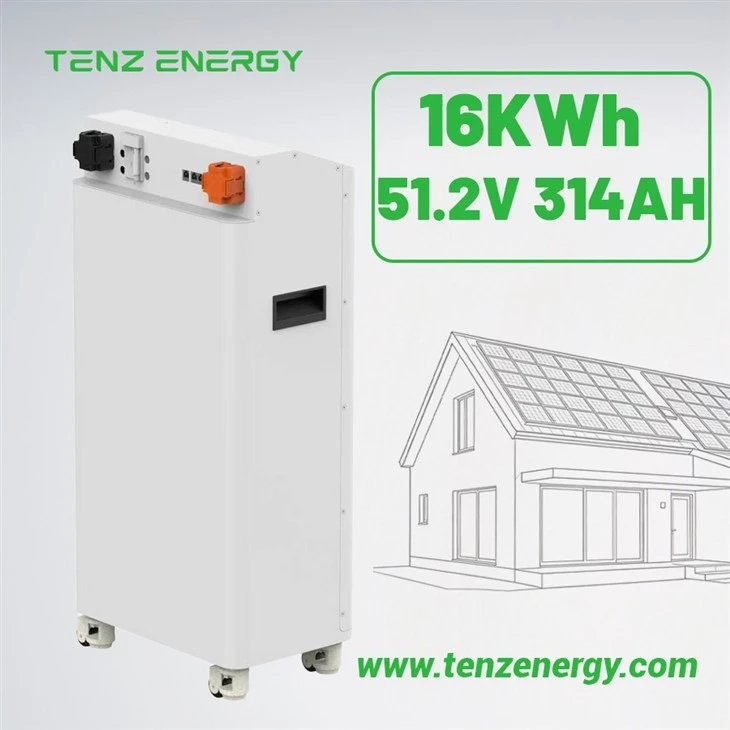
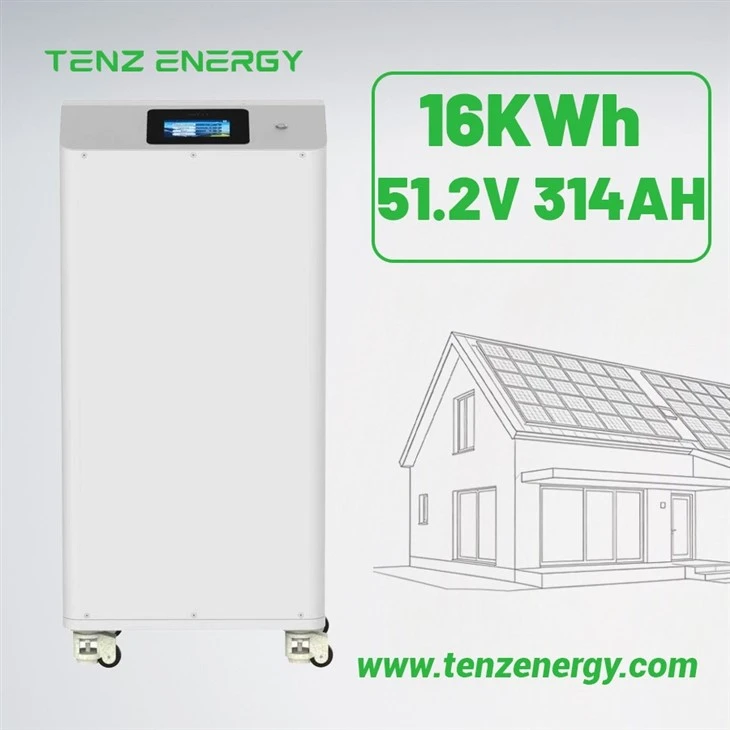
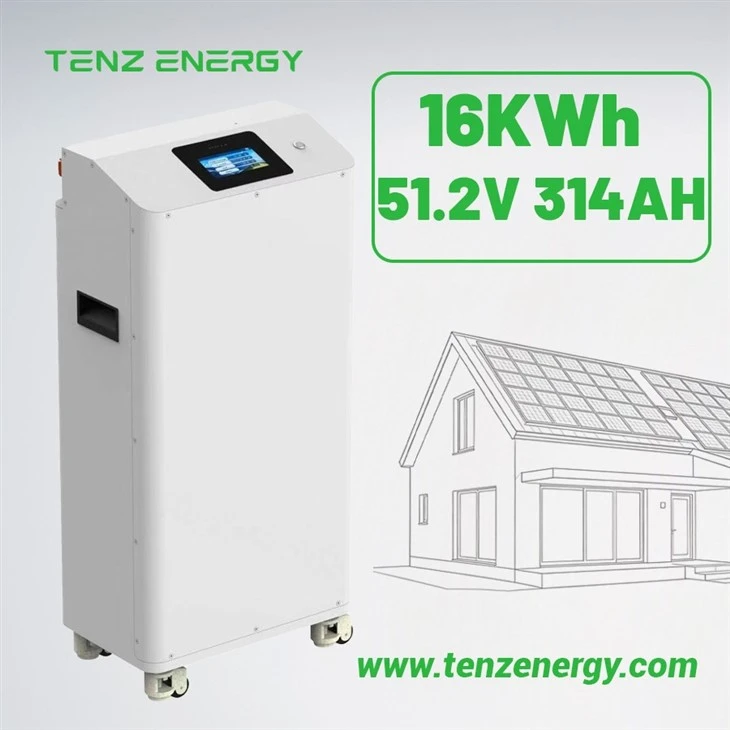
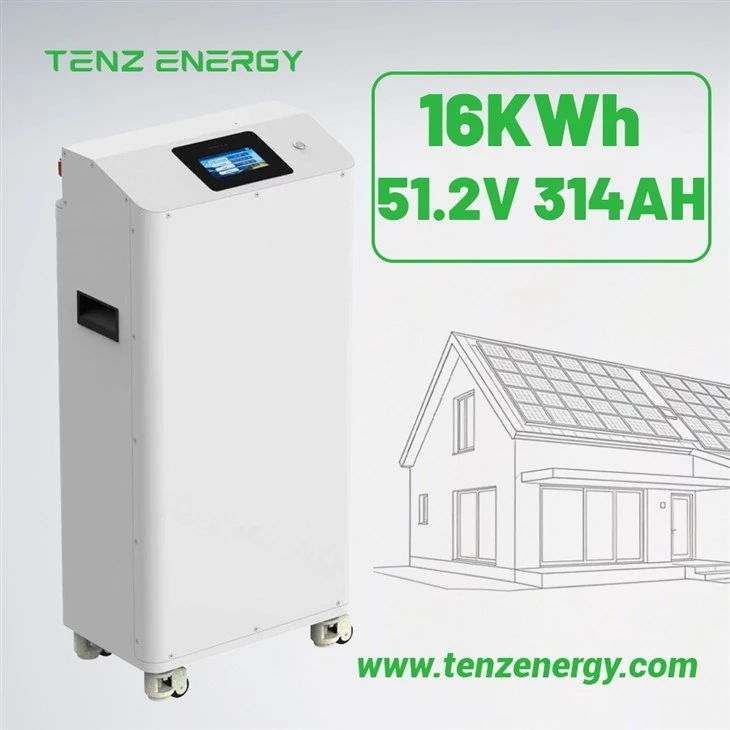
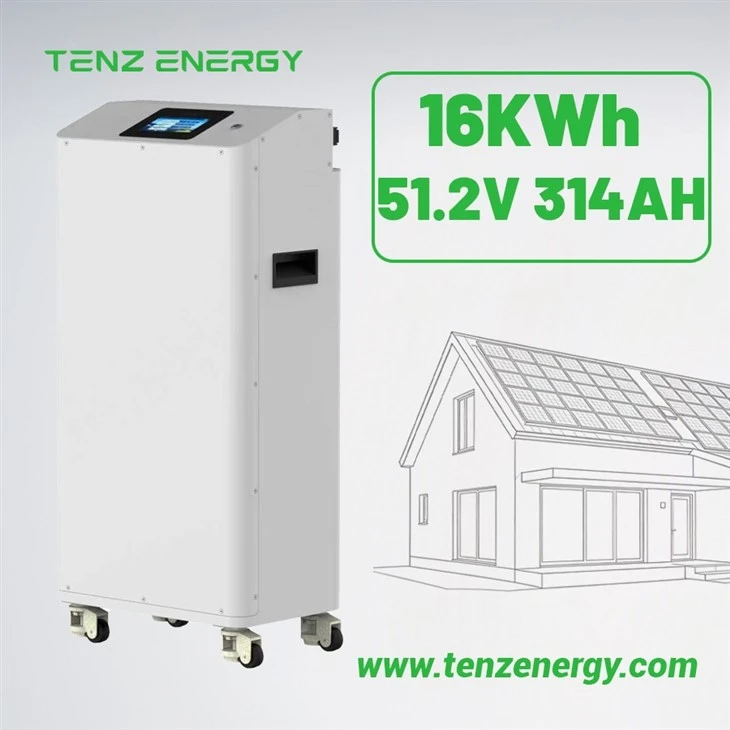
The Tenz Energy ECO-314L-(ST) is a lithium-ion battery with a nominal voltage of 51.2V, a rated capacity of 314Ah, and 16.0768kWh of nominal energy per unit. It can be integrated into a larger storage installation, with parallel expansion supported for projects that require additional capacity.
For installers and project developers, this model is worth evaluating when planning a battery bank that can be configured around the site's electrical design and available equipment space.

Installation Planning and Future Expansion
Individual battery placement
A single ECO-314L-(ST) unit provides 16.0768kWh of nominal energy. Its dimensions are 890.5 × 420 × 267mm, with a weight of 120kg ± 3kg.
The installation plan should account for floor loading, equipment handling, cable access, and sufficient room for inspection and servicing.
The specification does not identify this model as wall-mounted or approve stacking. A suitable floor-supported arrangement should be assessed before installation.
Expandable battery bank
Where a project may need additional storage in the future, the ECO-314L-(ST) supports up to 16 units connected in parallel. The nominal energy of the battery bank can therefore be planned around the project's initial requirements and potential expansion needs.
Any later expansion must be checked against the inverter's capability, cable sizing, protective devices, communication arrangement,
and the condition of the existing system. The specification prohibits series connection and mixing this battery with other brands or models.
Environmental conditions
The battery has an IP20 rating and should not be assumed suitable for direct outdoor exposure. The installation environment must meet the specified operating conditions: 0–40°C for charging and −20–40°C for discharging. The recommended temperature for optimal operation is 10–30°C.
These requirements matter when assessing the suitability of a proposed battery location for ongoing operation.
Key Specifications
| Parameter | Specification |
|---|---|
| Model | ECO-314L-(ST) |
| Battery type | Lithium-ion |
| Configuration | 1P16S |
| Nominal voltage | 51.2V |
| Nominal capacity | 314Ah |
| Nominal energy | 16.0768kWh |
| Operating voltage | 43.2–58.4V |
| Standard charge/discharge current | 100A at 25 ± 2°C |
| Maximum charge/discharge current | 200A at 25 ± 2°C |
| Communication | CAN and RS485 |
| Maximum parallel units | 16 |
| Dimensions | 890.5 × 420 × 267mm |
| Weight | 120kg ± 3kg |
| IP rating | IP20 |
| Operating altitude | 0–3,000m |
| Specified cycle life | 8,000 cycles under stated test conditions |
The stated cycle life is based on testing at 25°C, 100A charge/discharge current, and 70% depth of discharge (DOD). It should not be interpreted as a guaranteed service life or a fixed number of calendar years. Actual performance depends on operating conditions and system settings.
Electrical and Communication Requirements
The battery must be integrated within the operating limits of the complete electrical system.
| Parameter | Specification |
|---|---|
| Model | ECO-314L-(ST) |
| Battery type | Lithium-ion |
| Configuration | 1P16S |
| Nominal voltage | 51.2V |
| Nominal capacity | 314Ah |
| Nominal energy | 16.0768kWh |
| Operating voltage range | 43.2–58.4V |
| Standard charge/discharge current | 100A at 25 ± 2°C |
| Maximum charge/discharge current | 200A at 25 ± 2°C |
| Communication | CAN and RS485 |
| Maximum parallel units | 16 |
| Dimensions | 890.5 × 420 × 267mm |
| Weight | 120kg ± 3kg |
| IP rating | IP20 |
| Operating altitude | 0–3,000m |
The installer should verify the connected equipment's voltage range, current limits, communication protocol, and wiring requirements before commissioning.
The available specification does not identify specific compatible inverter models, so compatibility must be confirmed for the proposed system.
Electrical Integration
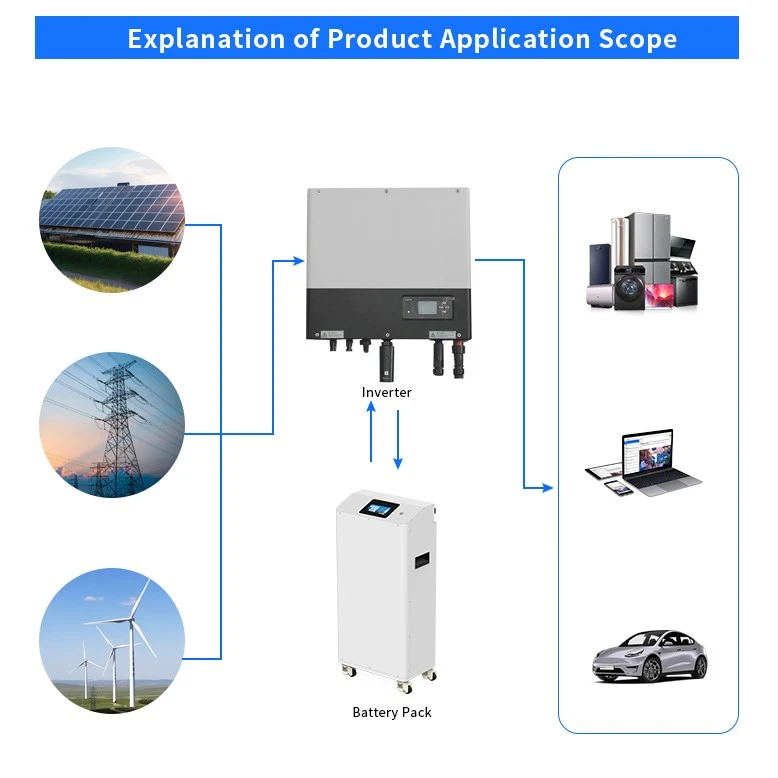
The battery's operating voltage range is 43.2–58.4V. Its standard charge and discharge current is 100A, with a maximum of 200A at 25 ± 2°C. System designers should ensure that the inverter and associated electrical equipment operate within the applicable battery limits.
CAN and RS485 communication interfaces are available. Because the specification does not identify specific compatible inverter models, communication protocol and connection requirements must be confirmed for the proposed system before installation.
The battery management system provides functions including cell-voltage monitoring, temperature sensing, cell balancing, and current limiting. These functions support battery operation but do not replace the protection and control measures required for the complete installation.
Is This Battery Suitable for Your Project?
The ECO-314L-(ST) may be suitable for projects requiring 16.0768kWh of nominal energy per battery and the option to expand through parallel connection. Selection should be based on the required storage capacity, equipment compatibility, installation conditions, and the project's expected operating profile.
Tenz Energy can provide product information to help installers and system integrators assess the battery against their project requirements.
Hot Tags: long term energy storage, China long term energy storage manufacturers, suppliers, factory