



Product Overview

The Tenz Energy ECO-314L-(ST) is a lithium-ion battery with 51.2V nominal voltage, 314Ah capacity, and 16.0768kWh nominal energy per unit.
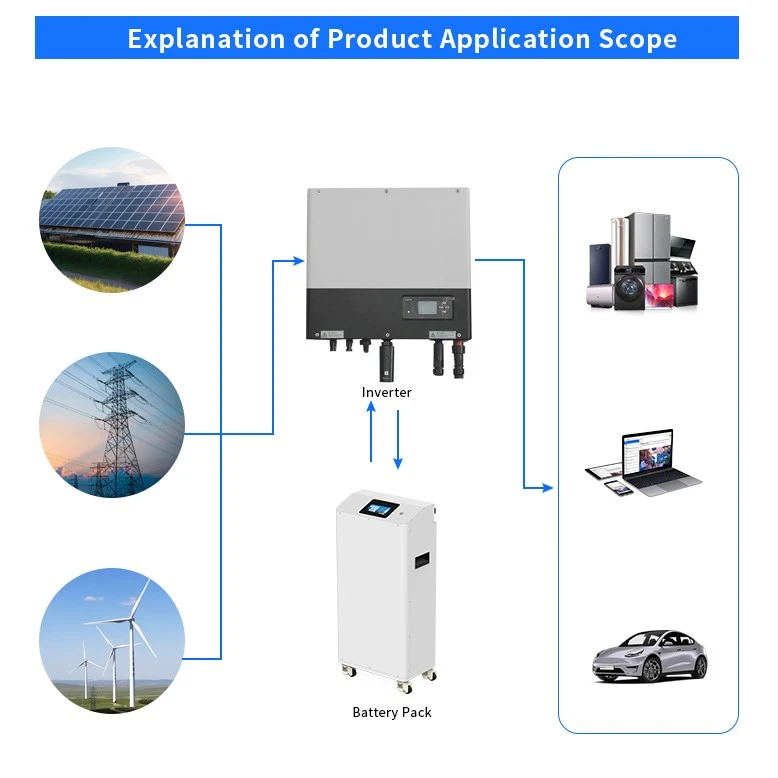
It is designed for integration into a larger energy storage system, with CAN and RS485 communication and support for up to 16 battery units connected in parallel.
For off-grid installers, the key decision is not simply how much battery capacity to purchase.
It is how to match storage capacity to the site's energy demand, available installation space, and power conversion equipment.

Match Battery Capacity to Site Demand
The required battery capacity varies with the way an off-grid property uses electricity. A remote home with refrigeration, lighting, water pumps, and communications equipment has a different load profile from a workshop or agricultural site.
Before choosing the number of batteries, estimate daily energy consumption and identify which loads must remain available during periods of limited generation. The design should also consider seasonal changes in solar output and the required operating reserve.
Each ECO-314L-(ST) provides 16.0768kWh of nominal energy. Multiple units can be connected in parallel to increase nominal storage capacity, up to the specified maximum of 16 units.
| Battery units | Nominal energy |
|---|---|
| 1 | 16.0768kWh |
| 2 | 32.1536kWh |
| 4 | 64.3072kWh |
| 8 | 128.6144kWh |
| 16 | 257.2288kWh |
These figures are nominal values, not guaranteed usable energy. Actual operating time depends on the connected loads, system losses, operating limits, and available charging energy.
Plan the Installation Around the Equipment
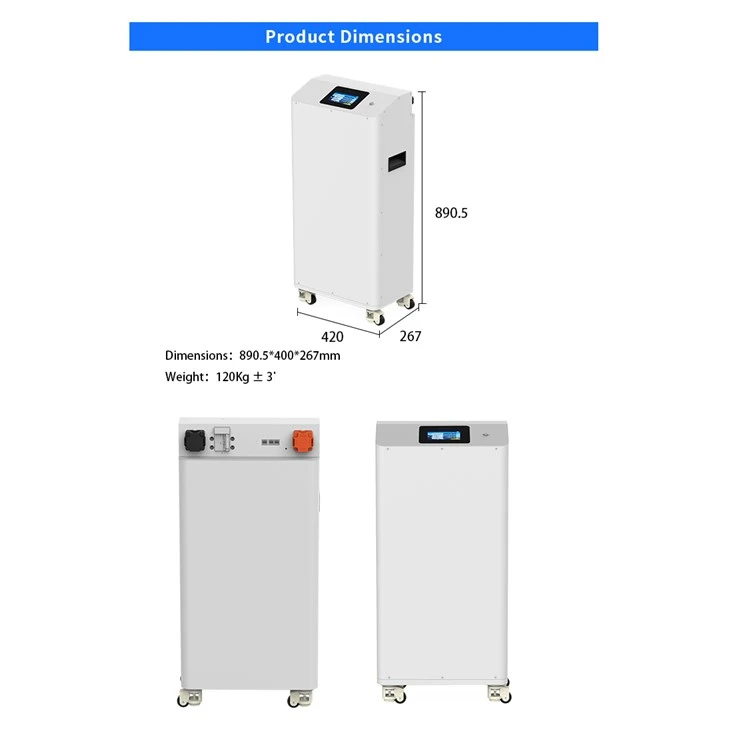
The ECO-314L-(ST) measures 890.5 × 420 × 267mm and weighs 120kg ± 3kg. Its installation location should be selected with the equipment's weight, handling requirements, and future access in mind.
For a residential off-grid system, a dedicated indoor service area may be suitable if the floor can support the unit and the environment meets the battery's requirements. The model has an IP20 rating and is not specified as weatherproof, so direct outdoor installation should not be assumed suitable.
Temperature also matters at remote sites. The specified ambient range is 0–40°C during charging and −20–40°C during discharging, with 10–30°C recommended for optimal operation. Projects with substantial temperature fluctuations should assess the actual installation environment before equipment selection.
The specification does not identify this model as wall-mounted and does not authorize stacking. Installation arrangements should therefore be based on the documented product design rather than assumptions drawn from other battery models.
Check Inverter and Battery Compatibility
An off-grid battery must operate within the electrical limits of the selected inverter. The ECO-314L-(ST) has an operating voltage range of 43.2–58.4V, a standard charge/discharge current of 100A, and a maximum charge/discharge current of 200A at 25 ± 2°C.
The maximum current rating does not mean every inverter can use the full current in all operating conditions. The system designer should verify the inverter's voltage range, current settings, protection requirements, and battery communication protocol.
CAN and RS485 interfaces are provided, but the specification does not identify specific compatible inverter models. Confirm compatibility with the relevant equipment supplier before finalizing the system.
The battery's BMS provides monitoring and protection functions, including cell-voltage monitoring, temperature sensing, cell balancing, and current limiting. These functions form part of battery management and do not replace the electrical protection required for the complete installation.
Technical Specifications
| Parameter | Specification |
|---|---|
| Model | ECO-314L-(ST) |
| Battery type | Lithium-ion |
| Configuration | 1P16S |
| Nominal voltage | 51.2V |
| Nominal capacity | 314Ah |
| Nominal energy | 16.0768kWh |
| Operating voltage | 43.2–58.4V |
| Standard charge/discharge current | 100A at 25 ± 2°C |
| Maximum charge/discharge current | 200A at 25 ± 2°C |
| Communication | CAN / RS485 |
| Maximum parallel units | 16 |
| Dimensions | 890.5 × 420 × 267mm |
| Weight | 120kg ± 3kg |
| IP rating | IP20 |
| Cycle life | 8,000 cycles under specified test conditions |
| Charging temperature | 0–40°C |
| Discharging temperature | −20–40°C |
| Operating altitude | 0–3,000m |
The stated cycle life is based on testing at 25°C, 100A charge/discharge current, and 70% depth of discharge (DOD). Actual results depend on operating conditions.
Frequently Asked Questions
01.How much nominal energy does one battery provide?
02.Can the battery support a larger off-grid installation?
03.How long can it power a property without solar generation?
04.Can it be installed outdoors?
05.Which inverter should be used?
Discuss Your Off-Grid Project
Hot Tags: off grid battery storage, China off grid battery storage manufacturers, suppliers, factory