
The global lithium battery industry is entering a new stage of growth. Electric vehicles remain a major source of demand, while residential energy storage, commercial energy storage, electric two-wheelers, and industrial applications are creating additional opportunities.
For battery importers, distributors, and manufacturers, 2027 will not only be about increasing demand. Battery chemistry, raw material prices, manufacturing capacity, and supply chain diversification will also influence purchasing decisions.
Here are five trends worth watching.
1. Global Battery Demand Continues to Expand
According to the International Energy Agency (IEA), the global lithium-ion battery market exceeded USD 150 billion in 2025, growing by more than 20% compared with 2024. Global battery deployment was also six times higher than in 2020.
Electric vehicles remain the largest demand driver, accounting for more than 70% of lithium-ion battery deployment in 2025. Battery energy storage represented over 15%, reflecting the rapid expansion of stationary storage applications.
For buyers, this means battery demand is becoming more diversified. Suppliers serving only one application may face different market conditions from manufacturers supplying multiple sectors.
2. LFP Batteries Will Remain an Important Market Choice
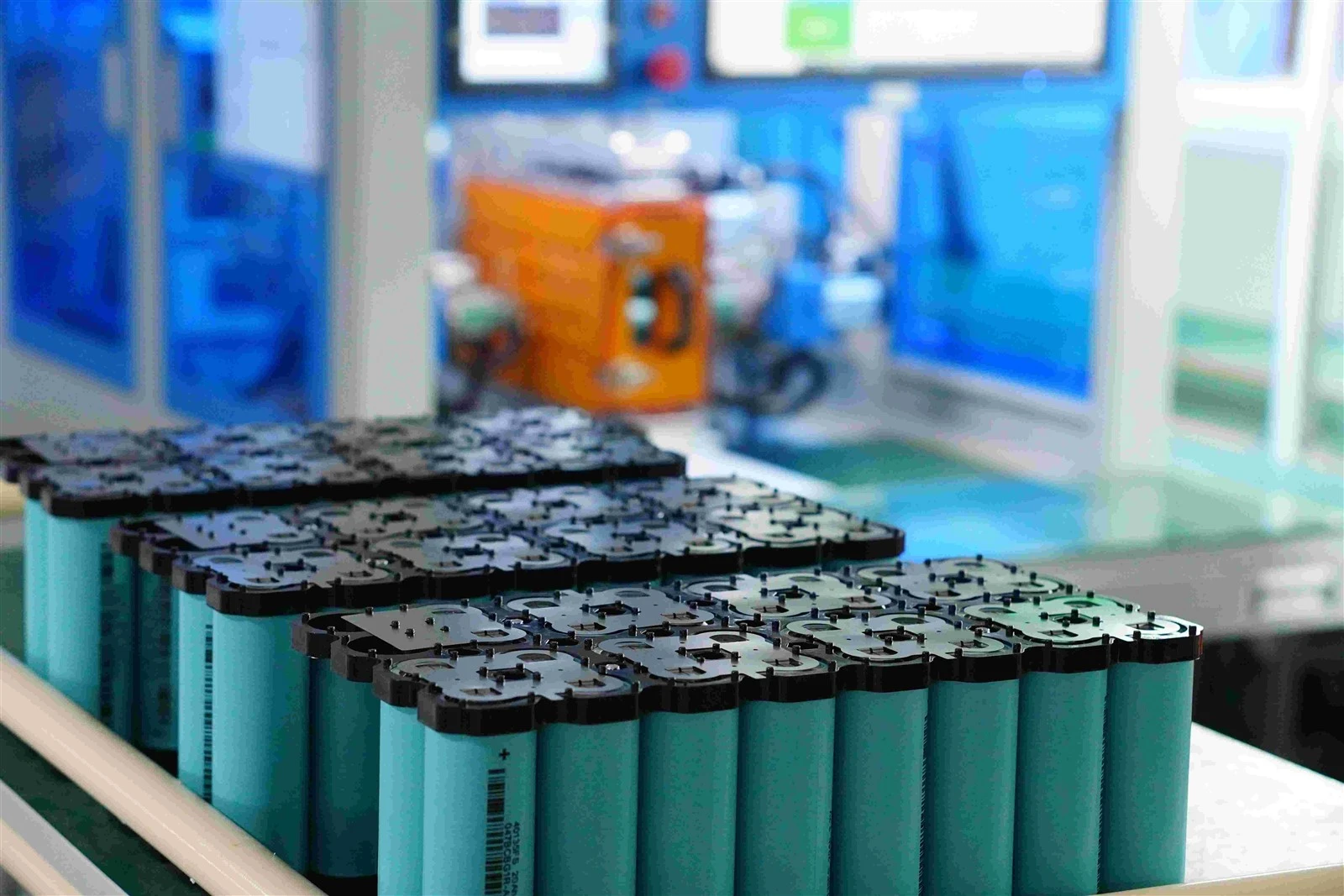
Lithium iron phosphate (LFP) batteries have gained market share because of their cost structure, thermal stability, and cycle-life potential.
In 2025, LFP accounted for more than 55% of batteries deployed in electric vehicles globally. It also represented over 90% of battery energy storage systems.
This trend is particularly relevant to buyers of residential and commercial energy storage systems.
However, LFP is not automatically the best solution for every application. Electric motorcycles and other weight-sensitive vehicles may require a different balance between energy density, battery weight, and cost.
3. Battery Prices and Raw Material Costs May Remain Volatile
Battery prices have declined significantly over the past decade, supported by manufacturing scale, technology improvements, and competition.
The IEA reported that average battery prices decreased by 8% in 2025. However, lithium prices increased substantially in early 2026 compared with the same period in 2025, creating potential upward pressure on battery costs.
IEA+1
For procurement teams, the key lesson is to avoid assuming that battery prices will always move downward.
Buyers should monitor cell prices, lithium carbonate prices, supplier inventory, and quotation validity before placing large orders.
4. Energy Storage Will Create More Opportunities
Battery energy storage is becoming an important part of electricity systems.
Solar and wind power generation can fluctuate according to weather and time of day. Battery storage helps balance electricity supply and demand, while also providing backup power.
The IEA reported that global battery energy storage capacity expanded more than 20-fold over the five years leading up to 2025.
For manufacturers and distributors, opportunities exist in residential systems, commercial and industrial projects, and integrated solar-plus-storage solutions.
5. Supply Chain Diversification Will Become More Important
China remains the leading center of global battery manufacturing.
According to the IEA, China accounted for more than 80% of global lithium-ion battery manufacturing capacity at the end of 2025.
IEA
At the same time, other regions are investing in battery production and material processing.
For overseas buyers, supplier evaluation should therefore include production capability, component sourcing, product traceability, delivery reliability, and technical support.
What Should Battery Buyers Prepare for in 2027?
Based on current industry developments, buyers should focus on three priorities:
Choose the right chemistry: Compare LFP and NMC according to the application's requirements.
Manage procurement risks: Monitor raw material prices and confirm quotation validity.
Build reliable supply partnerships: Evaluate suppliers based on quality, customization, production capacity, and long-term support.
Conclusion
The lithium battery market is expected to continue evolving through 2027, with electric mobility and energy storage remaining important growth areas. However, purchasing decisions will increasingly depend on product suitability, supply chain stability, and total cost of ownership.
TENZ Energy provides customized lithium battery packs, battery cells, and BMS solutions for electric motorcycles, light electric vehicles, and residential and commercial energy storage applications. Contact our team to discuss battery supply options for your next project.https://www.tianchine.com/motorcycle-battery/battery-powered-dirt-bike.html https://www.tianchine.com/motorcycle-battery/64v-45ah-electric-motorcycle-battery-plastic.html